Where did Legionnaires' disease get its name?
Legionnaires' disease was first identified after an outbreak at the Bellevue-Stratford Hotel in Philadelphia in July 1976, where the American Legion was holding a convention. Many guests fell ill and 34 people died. Investigators traced the cause to a previously unknown bacterium, named Legionella pneumophila, and the illness became known as Legionnaires' disease.
What is legionellosis?
Legionellosis is the collective term for illnesses caused by legionella bacteria. The most serious is Legionnaires' disease, a potentially fatal form of pneumonia. Milder, flu-like forms include Pontiac fever and Lochgoilhead fever.
Who is at risk?
Everyone is susceptible to infection, and the risk increases with age. People at higher risk include:
- people over 45
- smokers and heavy drinkers
- people with chronic respiratory, kidney, heart or lung disease
- people with diabetes
- anyone with an impaired immune system
Symptoms and treatment
Legionnaires' disease is most commonly caused by Legionella pneumophila serogroup 1. Symptoms usually appear 5 to 10 days after exposure and include fever, headache, cough and muscle aches, sometimes with confusion, diarrhoea or vomiting. It can be treated with antibiotics, but recovery is often slow, many people are left with lasting lung damage, and a proportion of cases are fatal.
Where is legionella found?
Legionella bacteria are found in low numbers in natural water sources such as rivers and lakes, and can enter the mains water supply. From there they can colonise purpose-built water systems – hot and cold water systems, cooling towers, evaporative condensers and spa pools. Where conditions are favourable the bacteria multiply, increasing the risk of infection.
How do people catch it?
Legionnaires' disease is normally caught by breathing in small droplets of water (aerosols) containing the bacteria – for example from showers, spray taps, cooling towers or spa pools. The risk increases where:
- water is between 20°C and 45°C in some or all of the system
- water droplets (aerosols) can be created and spread
- water is stored and/or re-circulated
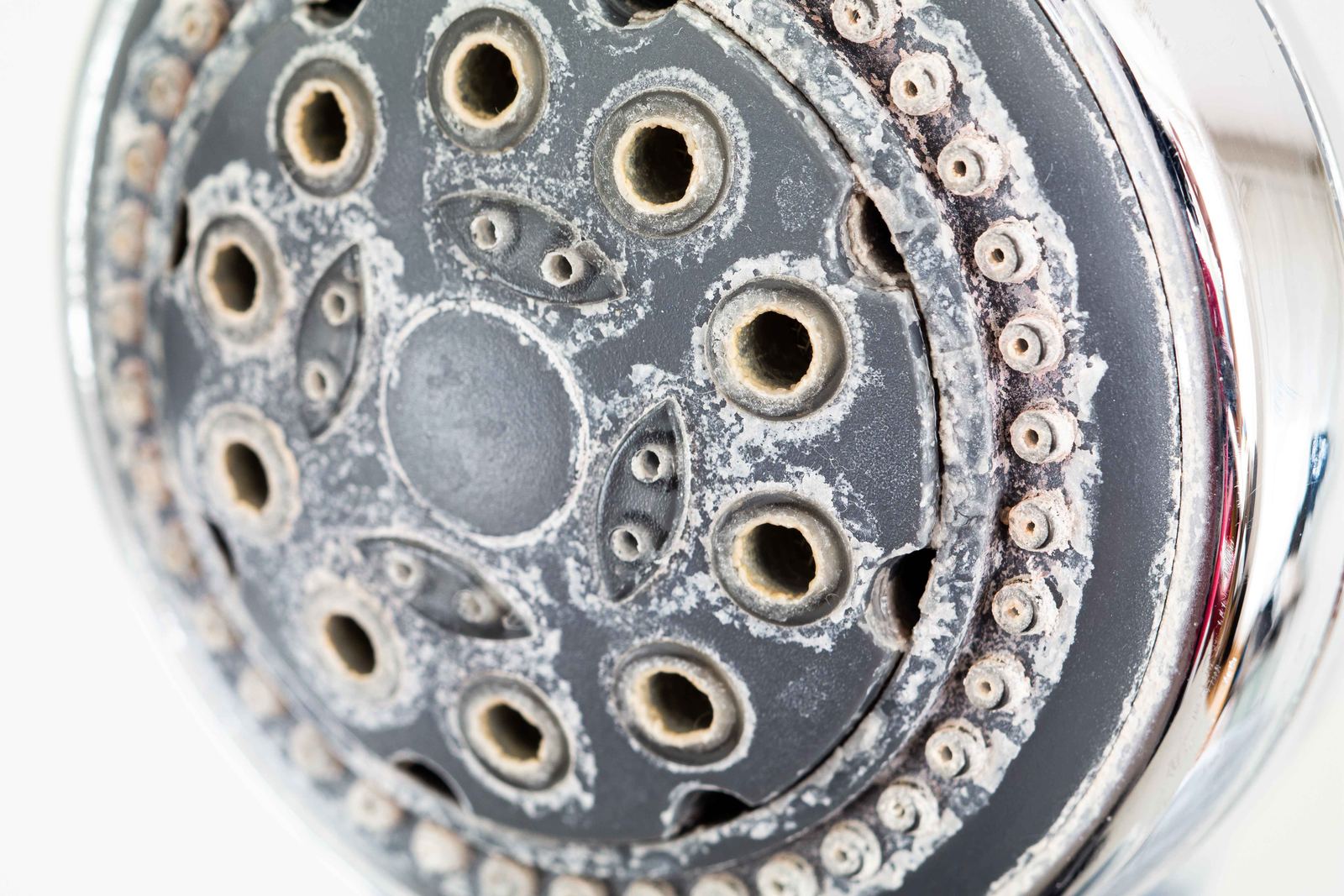
- deposits such as rust, sludge, scale, organic matter and biofilm can support bacterial growth
Can Legionnaires' disease be prevented?
Yes – it is a largely avoidable disease. The risk can be managed by putting the right control measures in place, identified and recorded in a suitable and sufficient legionella risk assessment.